
Boutique hotel software

The service of a big hotel. The team you actually have.

Guests choose a boutique hotel because it feels like somebody is paying attention. ApexOS keeps each guest on one record, flags the arrival that isn’t ready, and puts the bar tab on the room. Your team does the paying attention.

Hotel point of sale

The bar tab is on the room. Nobody walked it over.

The restaurant and the bar are revenue centers in the same system as the rooms. Charge to room lands on the guest’s folio, so you see what the stay earned, not just what the room went for.

Outlet to folioPick a guest, then charge a few things
Point of Sale
KDSRefresh
Guest
Revenue center
Order#1042
Add something from the restaurant.
Total$0.00
$500.00 room-charge credit left on Room 214.
Adaeze Okafor · Room 214
Oct 9 – 12
Primary folio
Room · 3 nights × $289.00$867.00
What the stay earned
Room$867.00
Restaurant, bar and shop$0.00
Charges$867.00
Independent hotel management software

Guests, the front desk, housekeeping, the bar. One record.

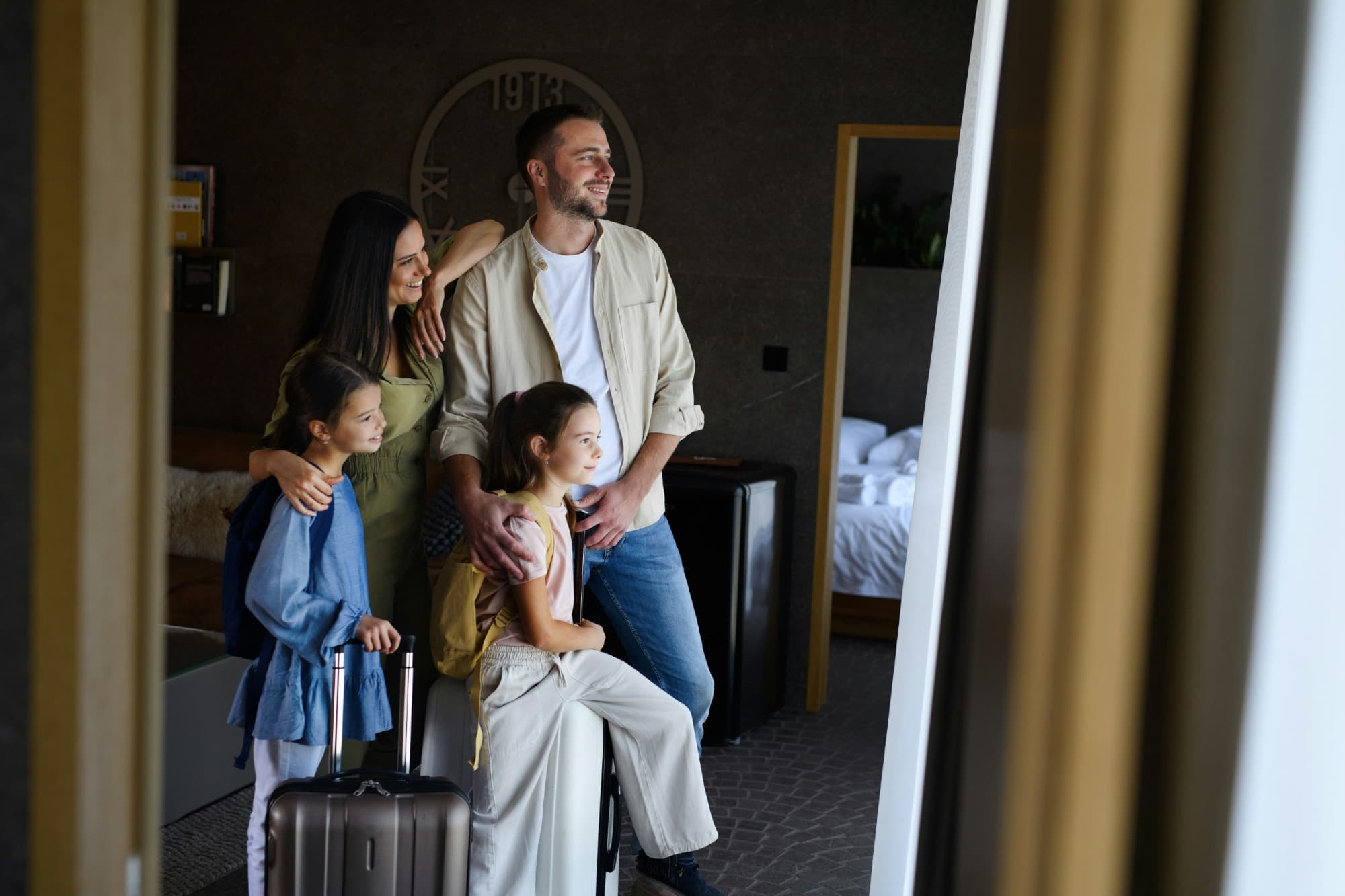
A family of four with suitcases and backpacks, smiling as they look into their hotel room.
Guests
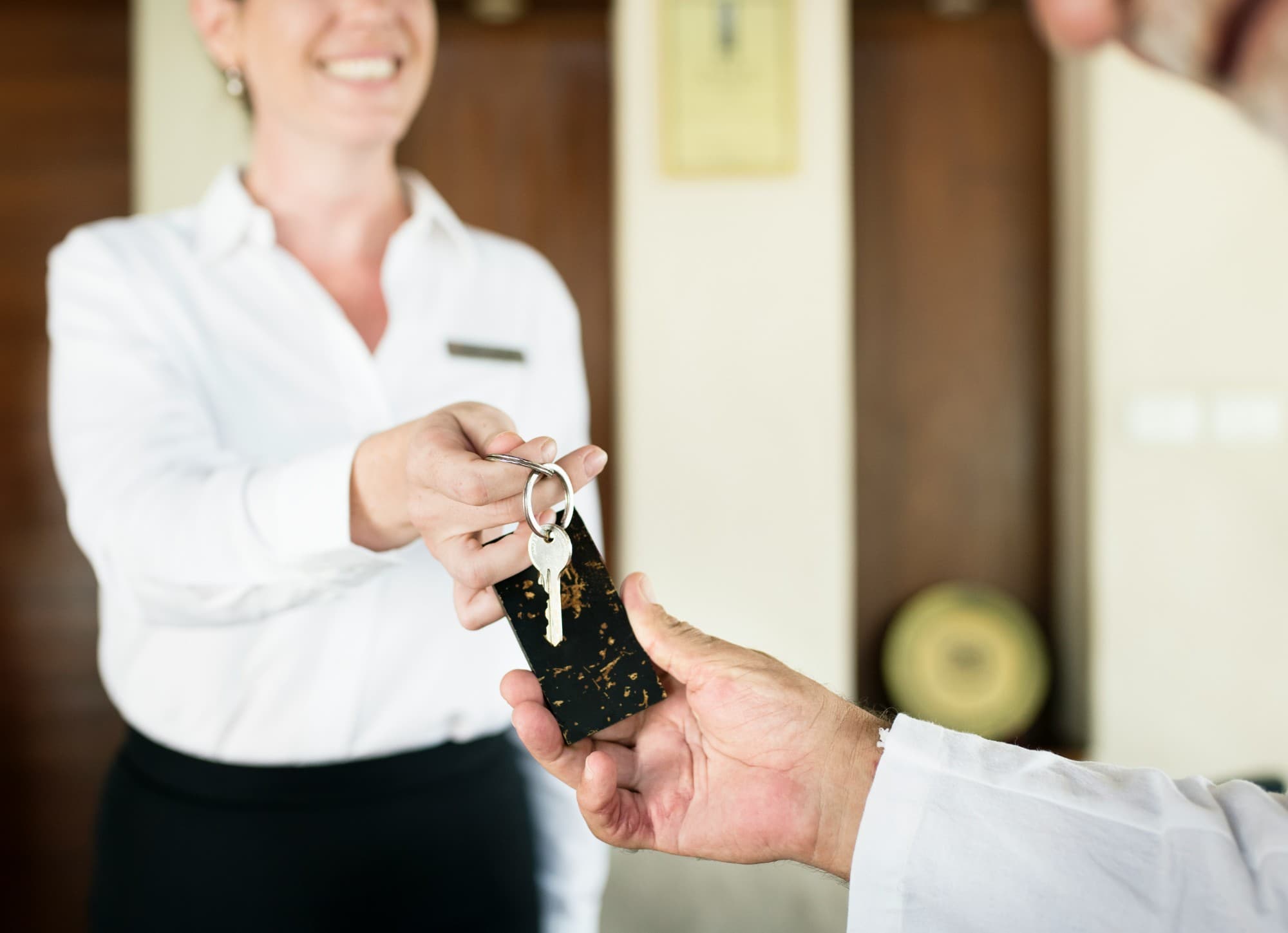
A smiling front desk agent handing a room key on a wooden fob to a guest.
Your front desk
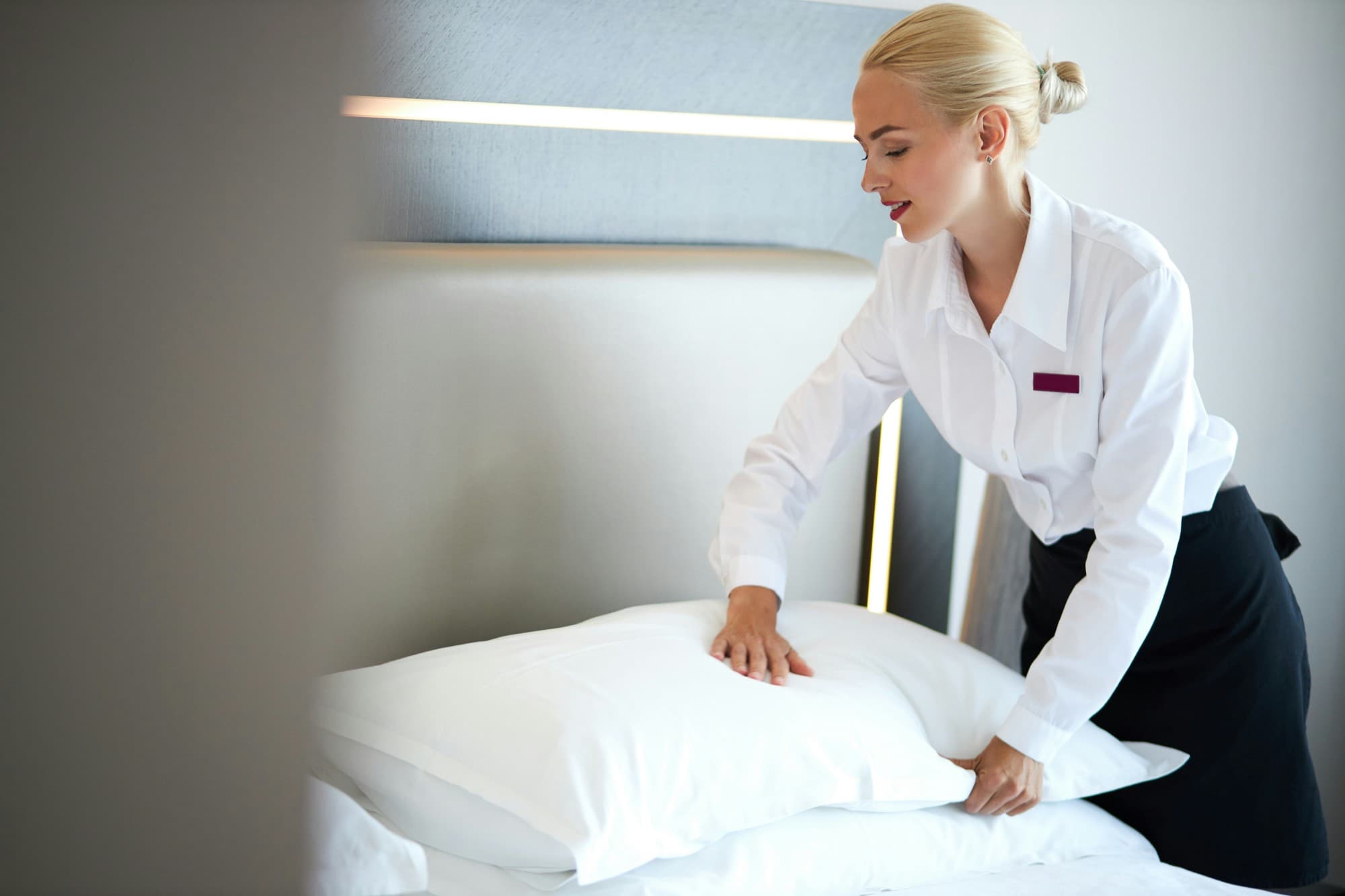
A housekeeper in a white shirt plumping the pillows on a freshly made hotel bed.
Housekeeping
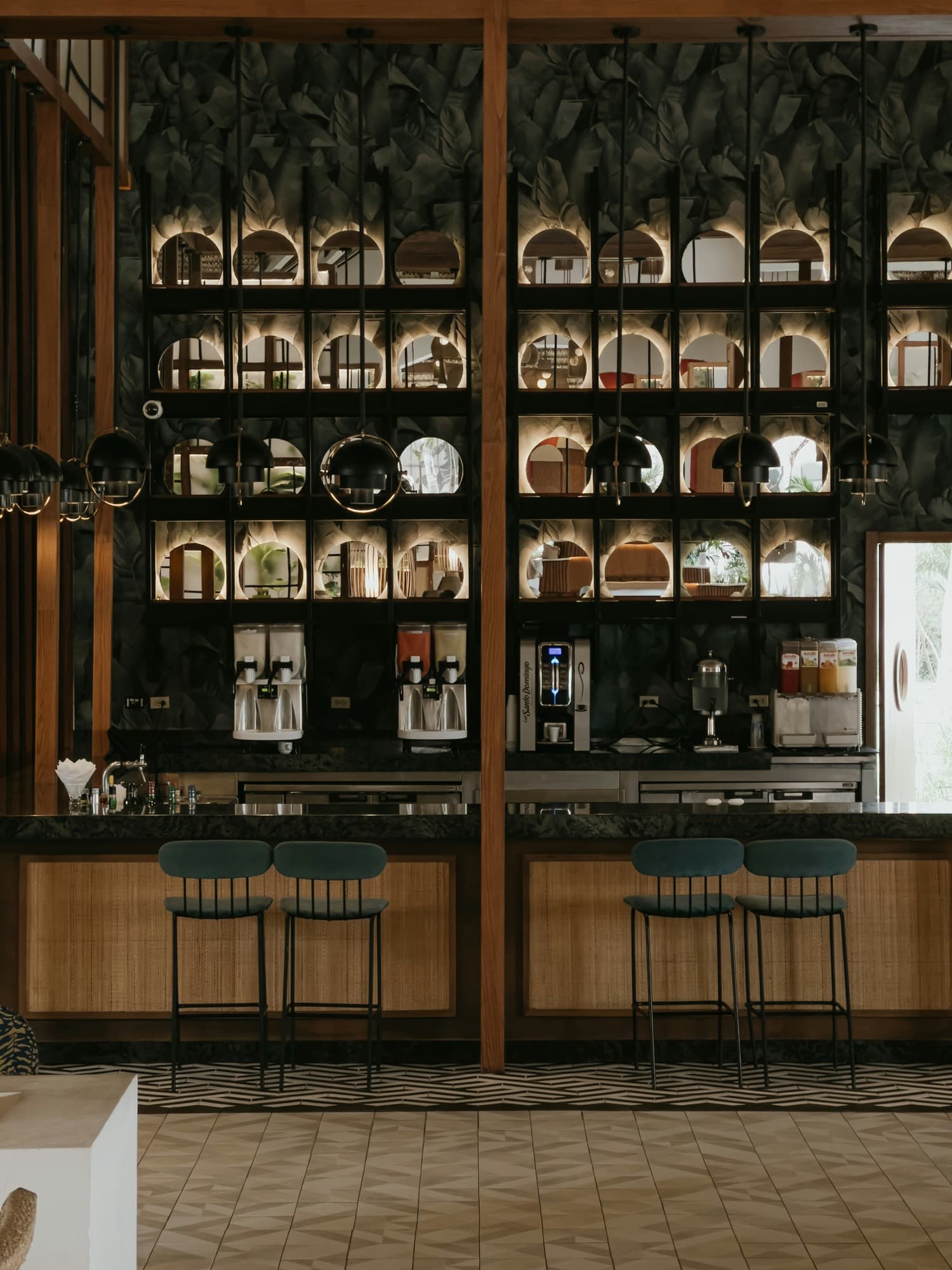
A hotel bar with lit shelves, black pendant lamps and four stools at a rattan-fronted counter.
The bar
Hotel property management system

What a lean team stops having to carry.

01

Room 12 isn’t ready. You heard before the guest did.

Apex agents check every arrival before it shows up: room not clean, balance unpaid, agreement unsigned. Guests who’d rather skip the desk check in on the guest portal. Room codes release only after a one-time code to the email or phone on the reservation.

  • Arrivals that aren’t ready, flagged first
  • Check-in on the guest portal
  • Room codes released after verification

Animation: today’s arrivals. The Arrival Readiness agent checks each one and flags Room 12, which is not clean and has a balance due, to the front desk. Housekeeping marks the room clean, the guest checks in on the guest portal, and the room code is released after a one-time code.
02

Last night’s audit agreed with itself.

Real double-entry accounting, with a standard chart of accounts, trial balance, balance sheet and profit and loss. Rooms, food and beverage and retail post to the same folio and close in one night audit. The morning starts with one version of yesterday.

  • Double-entry books in the core
  • Charge to room from every outlet
  • One night audit, not two systems to reconcile

Animation: the night audit. Room revenue, the restaurant, the bar and the shop post their day to the ledger, the trial balance shows debits equal to credits, and the day closes.

03

There is no night manager. The 1 a.m. text got answered anyway.

Apex agents answer after-hours texts from your own policies when they’re confident, and leave a draft for your team when they aren’t. Calls ring your team in the browser, with business-hours routing and voicemail after that.

  • Answers from your policies, not a guess
  • A draft for your team when it isn’t sure
  • Calls routed by business hours, voicemail after

Animation: at 1:07 in the morning a guest texts to ask where to park. Apex agents answer from the hotel’s policies. A second guest asks for a late checkout, and a reply is drafted for the team to approve in the morning.

04

Nobody built this report. Somebody asked for it.

Ask about rate, occupancy and revenue in a sentence. The answer comes back with the report behind it: the figures, a chart and a short read on what changed.

  • Rate, occupancy and revenue, in plain language
  • Every answer comes with the table behind it
  • Schedule it, share it, refresh it

Animation: someone asks why March ran behind last year. Apex returns a report with occupancy, average daily rate and revenue per available room, a chart comparing the two months week by week, and a short read on what changed, with options to save, schedule or share it.

Hotel management software

One system. One kitchen. A long memory.

01

The PMS and the POS stopped disagreeing. There’s only one of them.

Reservations, the front desk, point of sale, guest messaging and accounting are one system on one data model. Nothing syncs overnight and nothing gets entered twice. The OTAs connect through the built-in channel manager.

  • No duplicate entry between systems
  • OTAs through the built-in channel manager
  • Most tasks done by describing them to Apex

Animation: one guest’s reservation, stepping through its tabs: the overview, the finance summary, the conversation history across text, email and calls, and the folio with room nights and a restaurant charge on it. Everything on one record.

02

Table 6 wants the duck, no cherries. The sauté station already knows.

Modifiers go to the prep station that makes them. Every kitchen ticket carries its seat and course. Recipes draw down inventory as plates go out, and the whole check can land on the room.

  • Modifiers routed to the right prep station
  • Seat and course numbers on every ticket
  • Recipe-level inventory

Animation: the kitchen display. A ticket for table 6 arrives with seat and course numbers, and the duck with no cherries goes to the sauté station. Plates are bumped as they go out, and the check is charged to Room 214.

03

Your best front desk agent moved to Denver. The guest notes stayed.

ApexOS builds guest memory from calls, messages and stays, not from a notes field somebody remembered to fill in. Preferences are on the record before arrival, so the team can act on them.

  • Memory built from calls, messages and stays
  • Preferences on the record before arrival
  • It stays when the person who knew them leaves

Animation: a guest texts that his wife is allergic to feather pillows and they would like a quiet room. Apex captures both as memories on the guest’s record, and they appear on the upcoming stay before arrival.

Boutique hotel software FAQs

Fair questions.

What is boutique hotel software?

Boutique hotel software runs a property where service is personal, the team is lean and nobody has a department for anything: reservations, the front desk, food and beverage, guest messaging and accounting in one place. ApexOS is boutique hotel software with Apex agents built in, tasks you can describe to Apex, and double-entry books in the core.

How does ApexOS help with hotel revenue management?

Two ways. You set rates and restrictions by describing them to Apex, with a preview before anything changes. And you can cap what any role is allowed to discount and for what reason, which is where margin usually leaks. Because the restaurant, bar and shop post to the same folio as the room, you see what a stay was worth, not just what it was booked at.

Does ApexOS integrate with my PMS and POS?

More often it replaces them. Reservations, the front desk, point of sale, guest messaging and accounting are one system on one data model, so a bar tab lands on the room folio with nothing syncing in between. The OTAs connect through the built-in channel manager. One login, one folio, one night audit.

Can a small hotel team adopt this quickly?

Yes, and lean teams tend to get the most from it, because the system absorbs coordination work a larger property would hand to a department. Migration brings over your units, contacts, point of sale items, gift cards, reservations, rates and transactions. After that, most tasks can be done by describing them to Apex.

Book a demo

Run it like a big hotel. Keep it feeling like yours.