
ApexOS Point of Sale
Hospitality point of sale that posts to the folio.
Most properties run the store and the restaurant on a system that has nothing to do with the front desk. Two logins, two settlements, and somebody matching them up after close. In ApexOS the register is part of the same system your team already works in, so the firewood a guest buys at four o'clock is on their bill at checkout, and you close the night once instead of twice.
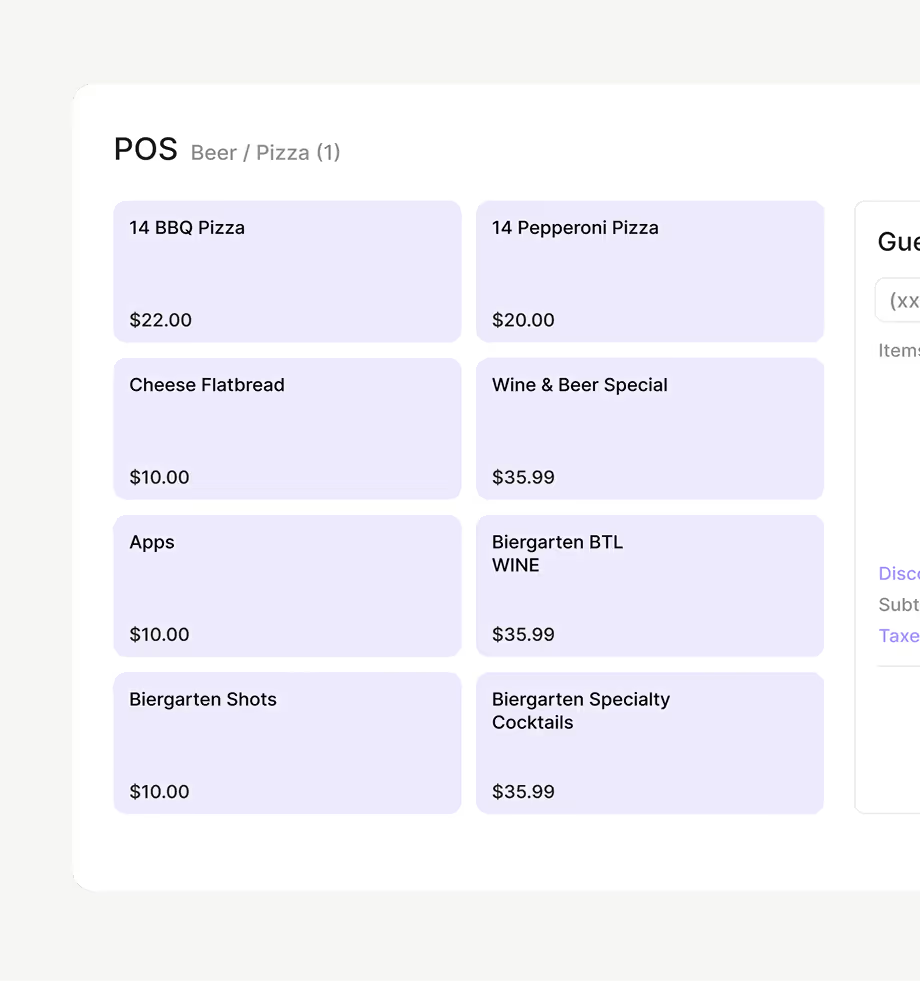
More revenue per guest. One close at the end of the night.

One system, one night audit
A guest buys firewood at four o'clock and it is on their bill before they get back to the site. At midnight the retail total ties out against lodging in the audit you were already doing.
- Nothing to export or re-key
- No second settlement
- Retail and lodging taxed separately

Every sale makes the next stay better
The family in site 42 buys firewood every night they are here. On a standalone register that is a receipt, and then it is gone. In ApexOS it stays with the guest.
- Last visit's spend, on the next booking
- Offers built on real spend
- Store revenue beside site revenue
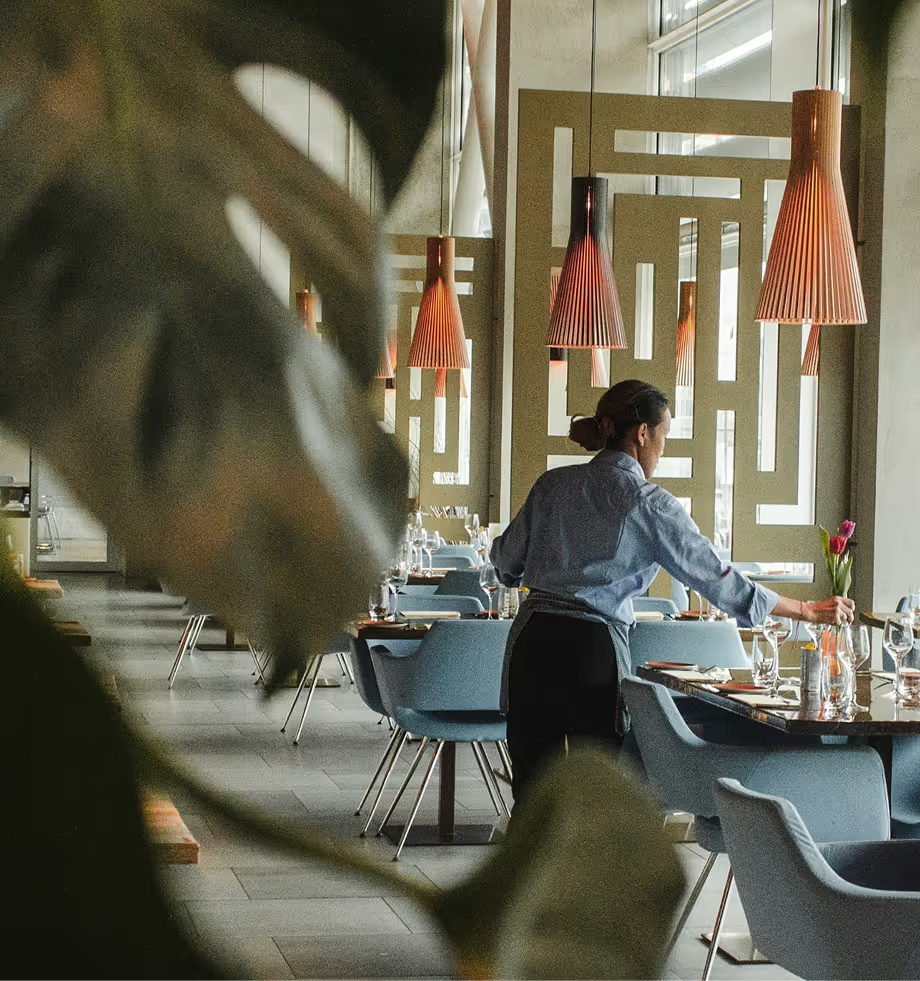
Built for a real kitchen
This is not a retail terminal with a food category added to it. The kitchen runs on the same system as the register, so your inventory moves when the food does.
- Fryer work routes to the fryer
- Long tickets start flashing
- Recipes pull down to the modifier

Control at the register
You get the controls you would ask for, if anyone asked. Who counts the drawer, who sees which orders, and what happens when a table splits six ways.
- Blind-count drawers
- Order visibility by role or PIN
- Splits with tax right on every line
What your team touches every shift.
Revenue centers

Set up the restaurant, the camp store and the gift shop as what they actually are, each with its own menus, its own expo behavior, its own transaction codes and its own tab policy. You are not forcing three different operations through one generic register.
Menu scheduling
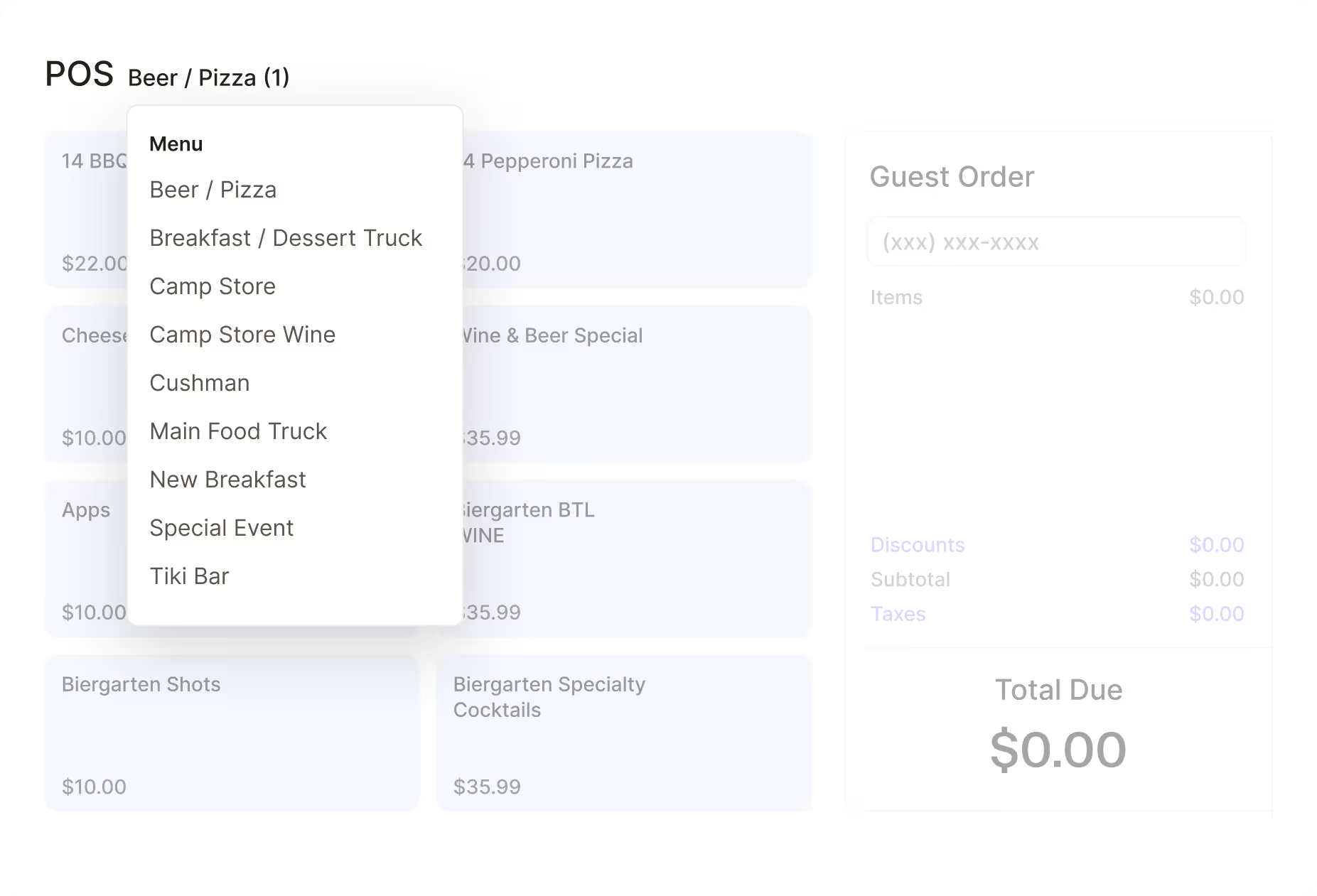
Menus run on schedule brackets for hours and days of the week, and publish to the counter, a mobile kiosk, online ordering or a QR code on the table. Breakfast ends and the lunch menu appears everywhere you sell it, without anyone remembering to switch it over.
Kitchen displays
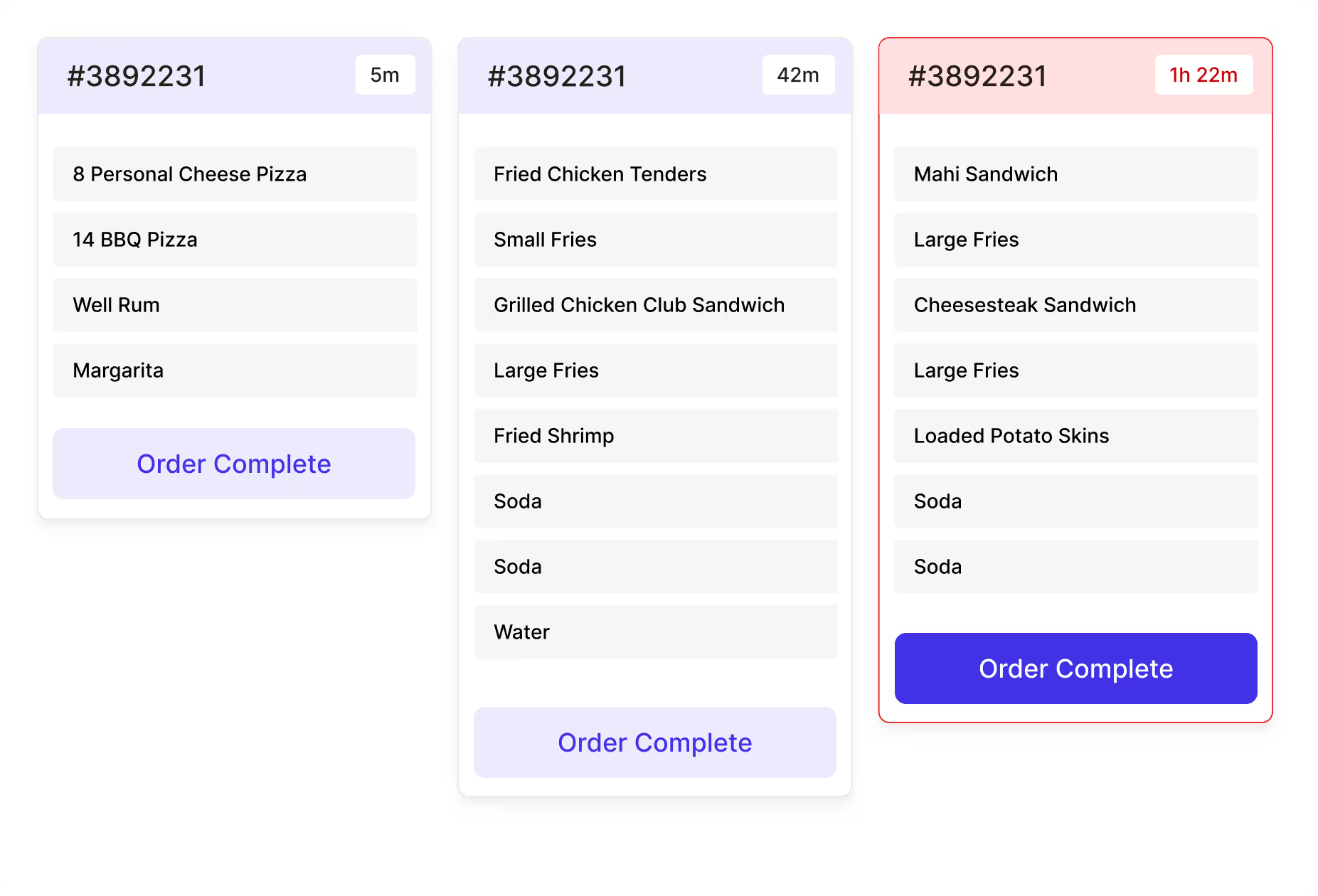
Modifiers and add-ons map to the prep station that handles them, so fryer work goes to the fryer and grill work to the grill. Course timing is managed on the display, and target cook times flash when a ticket runs past them.
Inventory and recipes
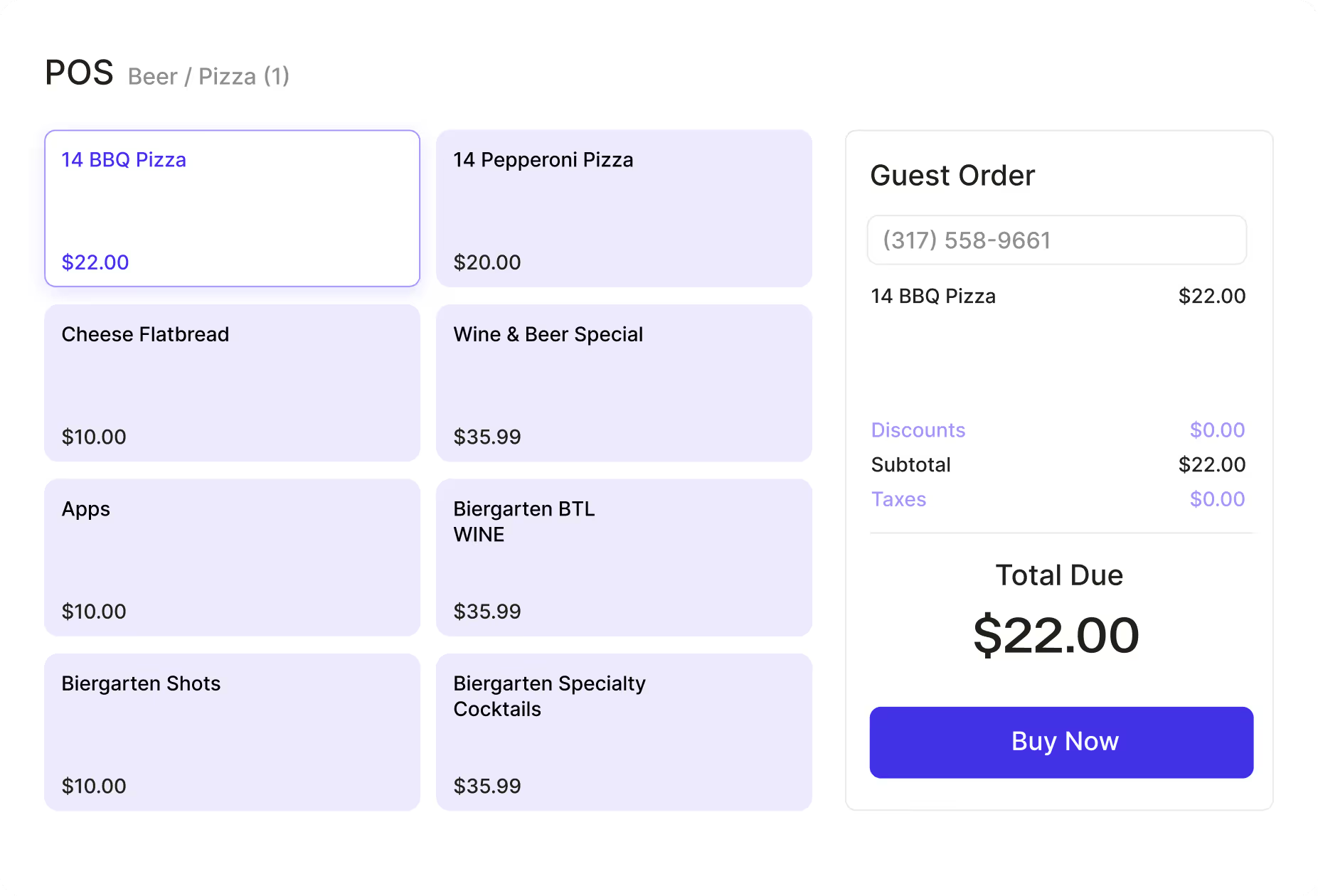
Track what you sell the way you actually sell it: retail items by the unit, prepared items by weight or volume, combos as combos. Recipes pull raw goods as orders go out, including the double portion, and waste forecasting shows you where the overage is going. 86 an item and it clears from every channel selling it at once.
Payment splitting

Split by seat or by item, with tax handled on every line and the remaining pennies going to the first check rather than rounded away. Seat-specific ordering, modifiers and upsells are part of taking the order, not a screen you go find afterward.
Cash control
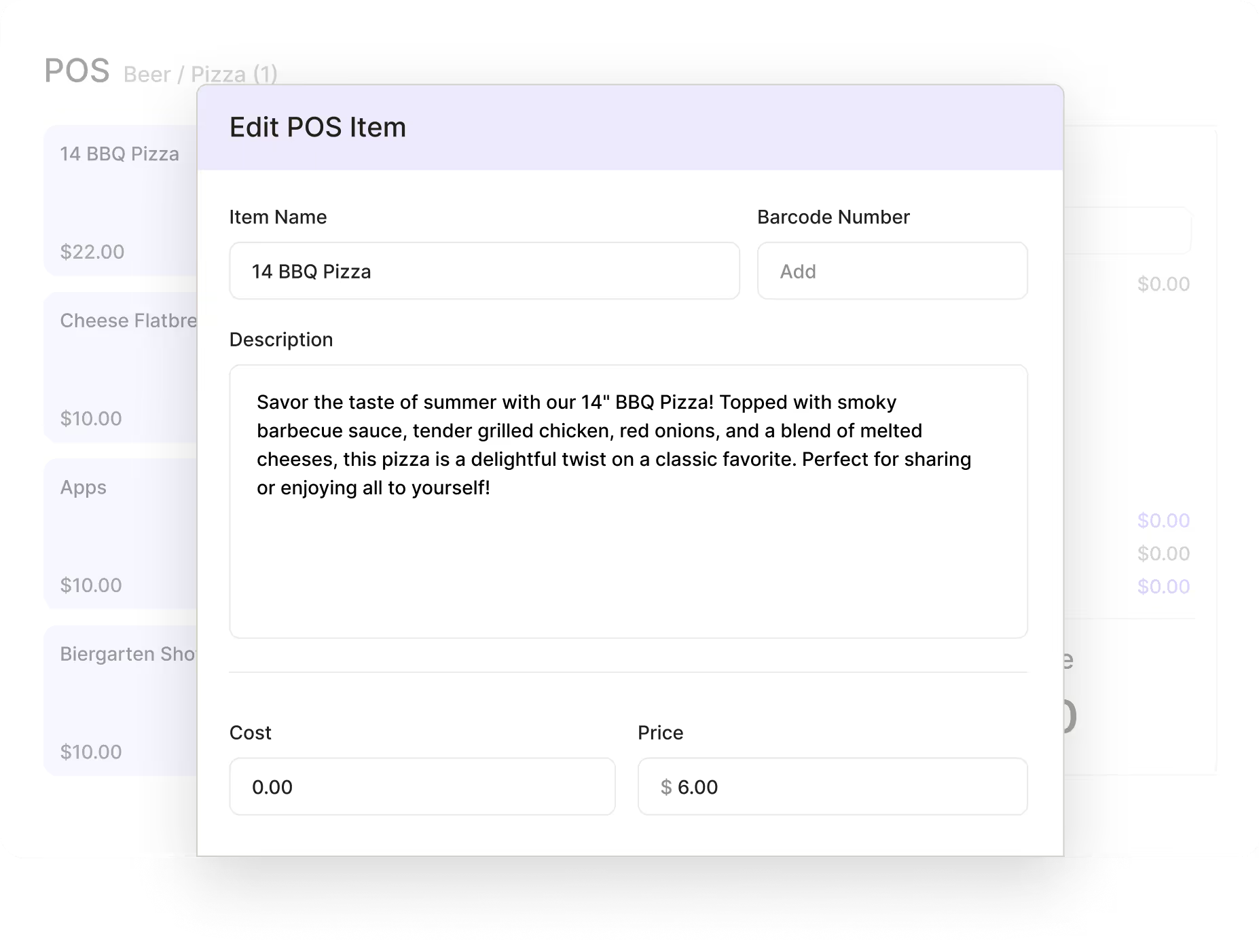
Blind-count drawer policy means your staff count the drawer without knowing the expected total. Order visibility follows the role or the PIN. And more than one register can share a single terminal, as long as they belong to the same revenue center.
Returns and exchanges
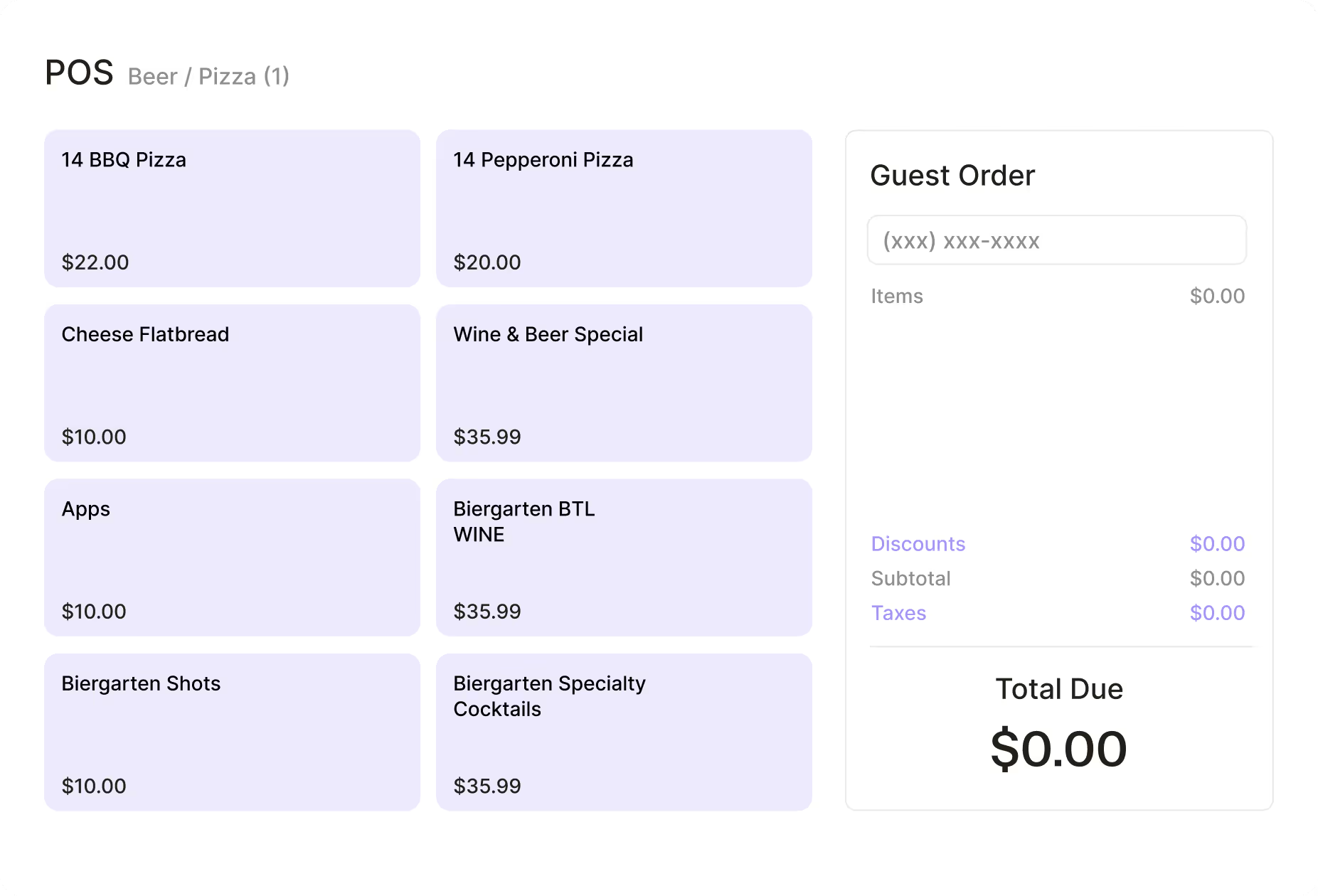
An exchange restocks the item or writes it off, depending on what it is. A refund goes back to the original tender, or somewhere else if you mean it to, and the accounting follows either way.
Ask it anything
You do not build a report to get an answer. Ask which location carried the quarter, what your repeat guests spend before they book again, or where food cost moved last month, and the answer comes back with the records behind it so you can check the math yourself.
Hospitality point of sale system FAQs
A hospitality POS centralizes restaurant, bar, café, and retail ordering, payments, and guest billing — then connects it to operations.
Staylist manages menus and modifiers; routes orders to a KDS; supports in-person, pickup, and delivery-to-site; and posts purchases to the guest folio.
Staff work more efficiently with touch-first screens and color coding, while guests appreciate accurate, cashless service.
Because POS is built natively into Staylist, operators can view item mix, dayparts, and venue performance alongside reservations and reporting, allowing them to make decisions on a single platform rather than across disconnected tools.
Staylist is the POS and PMS. Every order can be charged to the reservation, room, or site by name or site number, keeping the folio accurate without manual reconciliation.
Tabs carry across venues, POS posts settle cleanly at checkout, and PMS context helps staff suggest relevant add-ons. Centralized reporting rolls POS revenue into your property’s daily view.
Quickly. The interface is tablet-friendly, with color-coded items, clear categories, and required modifiers that prevent missed options.
Staff learn the flow in minutes: easy-to-use on screen; send to KDS; take payment or charge to folio. Built-in SMS updates reduce status calls, and consistent screens across venues shorten the ramp for seasonal teams.
Operator-driven design and tight PMS integration. We distilled what takes many POS systems 10 screens into a few — without losing control over menus, KDS, or inventory.
Charge-to-reservation is a standout: Guests buy more when checkout is wallet-free. Online ordering and delivery-to-site add convenience without the need for kiosks.
Central menus, roll-up reporting, and reliable hardware support help you scale confidently. All of it runs within Staylist, so POS, reservations, messaging, access, and accounting work seamlessly together.